

equine

Early and Extended Access to ONLINE Horse Behaviour and Safety Course for Youth & Adults
Equine Guelph Online Equine Community Responds to Industry Request During COVID-19 Are you succeeding in keeping yourself and the kids busy during self-isolation and social distancing? The Ontario Government has enacted a Declaration of Emergency to Protect the Public, and this includes the closure of riding facilities. As the challenges of this pandemic continue, we are all looking for…

Hay Belly – No Topline, What Does This Mean and How to Manage
Story by: Don Kapper. (first published January 2018) The mainstay of all diets for horses, over four months of age, is the forage they consume. Understanding how the equine digestive tract functions optimally and how forage quality and quantity can help maintain the health of the horse, reduce the incidence of colic, and keep horses…

Nutrient Replacement for Optimum Performance
Feeding a balanced diet then taking care of nutrient replacement after exercise is imperative to keep horses performing well at an upper level of performance. Don Kapper, shared his wealth of knowledge in equine nutrition and management in a recent visit to Canada. His talk at the University of Guelph discussed the importance of understanding…
LEGS! Common injuries and how we can treat them
Story by: Dr. Brianne Henderson Every year riders are plagued with limb injuries to their equine partners. Sometimes this is a small blip in the training schedule, other times it spells the end of a competitive season. In this article we are going to highlight some common injuries and different modalities that can help your…
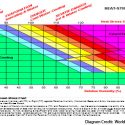
Part 2 – Developing the Sport Horse: the importance of hydration
Story by: Dr. Brianne Henderson As we move through the height of our summer competition season, it is not uncommon to have multiple days of severe heat and humidity – the days when you sweat standing still. Heat and humidity can be harder on your horse than it is on you. Most of us have…
Parasite Control with Dr. Peregrine
Rotate or rest? That is a very good question when it comes to the use of deworming products. After speaking with parasitic disease expert and Ontario Veterinary College researcher Dr. Andrew Peregrine, I am not only eager to pick up more poop but I am keen to have it analyzed. When a growing resistance to dewormers is cited as a major issue concerning horse owners…

When the Rider is Hot, the Horse is Hotter
Prof says horses feel summer heat 10 times faster than people By Teresa Pitman A hot humid day. One rider. One horse. Both are exercising at a moderate level. Who is more likely to overheat? It might surprise you to know that your horse gets hotter much faster than you and is more susceptible to…

So what has research done for the horse breeder lately?
Excerpted from Equine Guelph’s Spring 2010 Research Newsletter Highly fertile in the wild, horses are less so under management conditions that separate the sexes, remove mating choices and often call for foaling early in the year. Humans have been intervening in the breeding of horses for about 5500 years,[1] but research has contributed to the interventions…
Follow Equine Guelph

🐴 School’s almost out. ![]()
![]() #EquineGuelph has the perfect activity for young horse enthusiasts during those rainy days. An online course full of fun activities and horse talk for teens!
#EquineGuelph has the perfect activity for young horse enthusiasts during those rainy days. An online course full of fun activities and horse talk for teens! ![]()
![]() Horse Behaviour & Safety @TheHorsePortal.ca offers two weeks of engaging material, with a full year of access to learn at a leisurely pace.
Horse Behaviour & Safety @TheHorsePortal.ca offers two weeks of engaging material, with a full year of access to learn at a leisurely pace. ![]()
![]() Did you know?
Did you know? ![]() Horses have their own personal space, known as a flight zone.
Horses have their own personal space, known as a flight zone. ![]()
![]() A calm, confident horse will have a smaller flight zone. A nervous or less confident horse will have a larger flight zone—which calls for a different, more cautious approach.
A calm, confident horse will have a smaller flight zone. A nervous or less confident horse will have a larger flight zone—which calls for a different, more cautious approach. ![]()
![]() A nervous or irritated horse can move suddenly, and when a 1200-pound animal decides to flee, safety becomes critical.
A nervous or irritated horse can move suddenly, and when a 1200-pound animal decides to flee, safety becomes critical. ![]()
![]() Young riders and horse enthusiasts can learn how to "speak horse" and respond safely and confidently to #equine body language.
Young riders and horse enthusiasts can learn how to "speak horse" and respond safely and confidently to #equine body language. ![]()
![]() Learn more at thehorseportal.ca/course/on-demand-horse-behaviour-and-safety-youth-course-ages-13-17/
Learn more at thehorseportal.ca/course/on-demand-horse-behaviour-and-safety-youth-course-ages-13-17/ ![]()
![]() ▪ Flexible format | Certificate of Completion | Self-paced (1-year course access)
▪ Flexible format | Certificate of Completion | Self-paced (1-year course access)![]()
![]() #HorseSafety #HorseBehaviour #HorseLovers #HorseKids
#HorseSafety #HorseBehaviour #HorseLovers #HorseKids
🐴 💩 #Horse Fact:![]() The average horse produces about 9 tons of manure per year.
The average horse produces about 9 tons of manure per year.![]()
![]() That’s a LOT of… fertilizer.
That’s a LOT of… fertilizer.![]() Are you composting your manure?
Are you composting your manure? ![]()
![]() Good manure management isn’t just about cleanliness—it supports environmental sustainability and horse health.
Good manure management isn’t just about cleanliness—it supports environmental sustainability and horse health.![]()
![]() 👉 Want to learn more about best practices for your farm?
👉 Want to learn more about best practices for your farm?![]()
![]() 🐴 Explore Management of the Equine Environment at @UofGuelphSCS
🐴 Explore Management of the Equine Environment at @UofGuelphSCS ![]()
![]() Early Bird savings until Aug 15!
Early Bird savings until Aug 15!![]() #EquineGuelph's Fall semester of accredited, online 12-week courses begin Sept. 14, 2026
#EquineGuelph's Fall semester of accredited, online 12-week courses begin Sept. 14, 2026![]()
![]() List of upcoming offerings @TheHorsePortal.ca '12-week courses listings'
List of upcoming offerings @TheHorsePortal.ca '12-week courses listings'![]()
![]() #HorseCare #EquineEducation #HorseFarmManagement #WorkWithHorses
#HorseCare #EquineEducation #HorseFarmManagement #WorkWithHorses
🐴 FREE quarterly seasonal tips for #horse owners and caregivers!![]()
![]() HEALTHflash is included 4 times a year (Spring, Summer, Fall and Winter)
HEALTHflash is included 4 times a year (Spring, Summer, Fall and Winter) ![]() in #EquineGuelph's monthly E-news.
in #EquineGuelph's monthly E-news.![]()
![]() Stay up to date on:
Stay up to date on:![]() -disease alerts in your area
-disease alerts in your area![]() -horse health care tips
-horse health care tips![]() -new research
-new research![]() -educational opportunities and events
-educational opportunities and events![]()
![]() Get #equinequine news from a trusted source. Sign up for E-News and HEALTHflash @EquineGuelph.ca.
Get #equinequine news from a trusted source. Sign up for E-News and HEALTHflash @EquineGuelph.ca.