

Tick Bites & Lyme Disease
New health guidelines for humans
Ticks are common in pastures, trails, and wooded areas. Some ticks (blacklegged or deer ticks) can transmit Lyme disease to people so as a horse owner, you need to check your horse but also yourself! Tick Reports are surging in Canada.
Step 1 Remove the tick safely
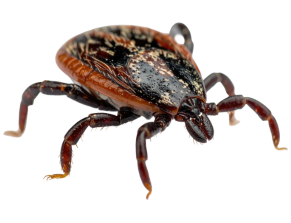
- Use fine tipped tweezers
- Grasp close to the skin and pull straight out
- Do not twist, burn, or squeeze
- Clean the bite area afterward
- Same principles as if you were removing a tick from a horse
Step 2 Saving the tick can be helpful
- Place tick on paper and seal with clear tape
- Write the date
- Write the location where you were riding or working
- You can bring it to a pharmacist or doctor
- And submit a photo to eTick.ca for identification
Step 3 Assess your risk
Most tick bites do not need antibiotics. You may be eligible for a preventive antibiotic doxycycline if:
- Tick was attached for 24 or more hours
- Removed within 72 hours
- You were in a higher risk Lyme area
- You have no symptoms
Pharmacists in many areas can assess and prescribe.
Preventive treatment if needed
- A single dose of doxycycline may be given
- If criteria are not met monitor only
- Lyme bacteria usually require about 36 hours of tick attachment to spread.
- Quick removal greatly lowers risk
Step 4 Monitor for 30 days
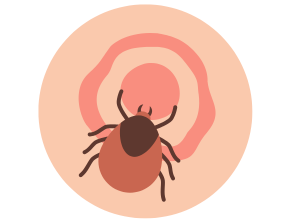
Watch for:
- Expanding red rash which may look like a bullseye or solid patch
- Fever or chills
- Fatigue
- Headache
- Muscle or joint pain
Seek medical care if symptoms appear. Do not wait. Early Lyme disease is very treatable.
Important reminders
- Most ticks do not transmit Lyme disease
- Not all tick species carry Lyme
- Antibiotics are only used in specific cases
Horse owner tips
- Wear light coloured clothing when handling horses outdoors
- Use tick checks after riding or barn work
- Check behind your knees
- Check your waistline
- Check under your arms
- Check your hairline
- Shower after being in tick habitats if possible
Quick summary
- Remove tick promptly
- Save or photograph it
- Ask a pharmacist if unsure
- Watch for symptoms for 30 days
Resources
CTV news – Tick reports surging in Canada
Removing a tick from a horse: https://files.thehorseportal.ca/portal/uploads/2025/01/Ticked-Off.pdf
Etick: https://www.etick.ca/en/content/photographic-guide
Tick Research and Horses
Veterinarians from clinics across Ontario participated in a study to 1) identify the prevalence of B. burgdorferi and A. phagocytophilum seropositivity in Ontario horses; 2) identify geographic risk factors; and 3) compare an in-clinic SNAP test to a Lyme multiplex assay.
In an interview posted on the Ontario Animal Health Network (OAHN) website, OVC Master’s student Megan Neely discusses the Seroprevalence of Borrelia burgdorferi and Anaplasma phagocytophilum in Ontario horses.
