

Smoke Inhalation and Horses
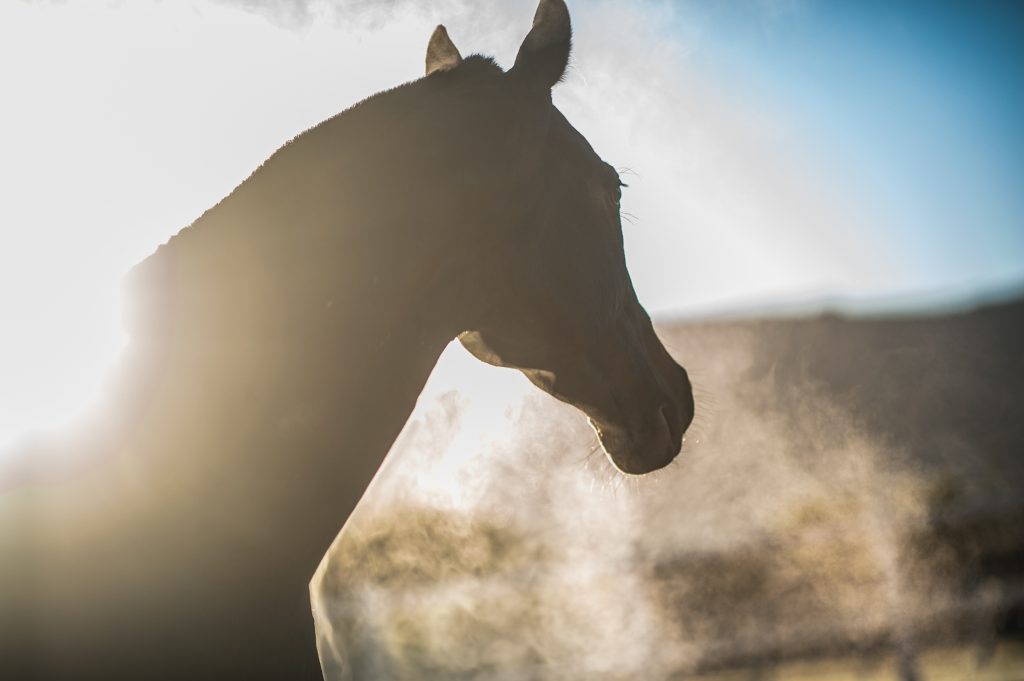
“It is a good idea not to work your horse (or yourself) under extremely poor air quality conditions,” says Dr. Janet Beeler-Marfisi, Equine Respiratory Researcher. “The evidence in humans suggests there is no “safe” amount of exposure in poor air quality, and we can assume that the same is true in horses.”
For monitoring local smoke conditions and understanding air-quality risks, Dr. Beeler-Marfisi recommends consulting the https://www.airqualityontario.com/aqhi/ and Government of Canada fact sheet on wildfire smoke. These resources explain smoke components, health effects, and ways to reduce exposure.
Research conducted by Dr. Beeler-Marfisi indicates that the effects of smoke exposure can persist long after the smoke clears. Horse owners may notice horses coughing or showing signs of mild equine asthma two to three weeks following exposure to elevated levels of very fine particulate matter and nitrogen dioxide.
In addition, if ozone concentrations reach 44–46 ppb or higher during a wildfire smoke event, sport and working horses may face an increased risk of exercise-induced pulmonary hemorrhage (EIPH) for up to a week afterward.
Learn More About Dr. Beeler-Marfisi’s Research
Dr. Beeler-Marfisi has conducted extensive research on:
- Air Quality and Air Pollution’s Impact on Your Horse’s Lungs
- Equine Asthma and Macrophage Responses
- Equine Asthma & Pollution
Additional Resources
Equine Guelph also recommends the information sheet:
Smoke Inhalation and Protecting Your Horses Health
This practical resource provides useful tips for protecting horses during wildfire smoke events and for managing their health in the days and weeks following smoke exposure.
